
Episode 10
How Authors and Illustrators Can Build a Website and Grow an Email Newsletter
Learn how authors and illustrators can build a website, grow an email newsletter, and use AI tools to market their books. Episode 10 of the Publishing Cousins podcast
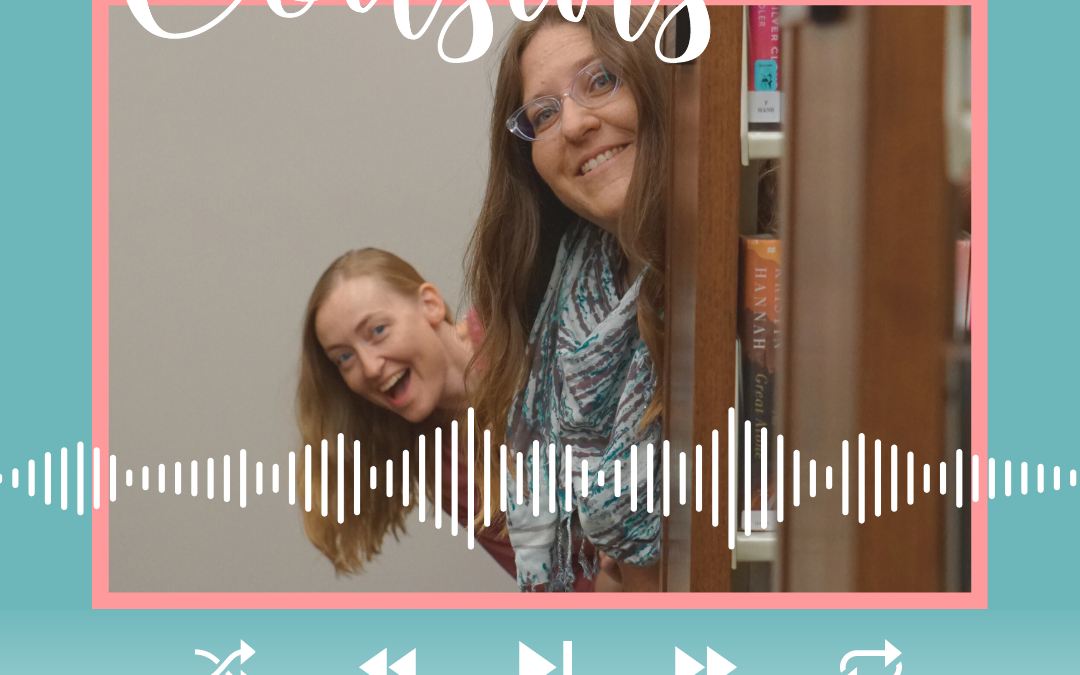
Hosts
Nikki Boetger- Illustrator
Melissa LaShure – Author
About This Episode
How to Build an Author or Illustrator Website — And Why You Need a Newsletter
Ready to grow your publishing platform?
In Episode 10 of the Publishing Cousins podcast, Melissa LaShure and Nikki dive deep into two of the most powerful tools for authors and illustrators: your website and your email newsletter.
Why Every Author and Illustrator Needs a Website
Your website is your home base online.
For illustrators, it is an online portfolio. Art directors and publishers need to see your work. A professional website gives them that access anytime, anywhere.
For authors, a website builds credibility. It is where readers find you, learn about your books, and connect with your world.
Years ago, illustrators carried physical portfolios and traveled to New York publishers in person. That world is gone. Today, a well-built website does that work for you — 24 hours a day, seven days a week.
Best Website Platforms for Authors and Illustrators
Not all website platforms are created equal. Here is a breakdown of the top options the cousins discussed.
WordPress.org — Best for Long-Term Growth
WordPress.org is the top recommended platform for authors. It offers maximum flexibility through plugins and customization.
The learning curve is real. Melissa spent six months in tears trying to build her first WordPress site. But once you learn it, it grows with you.
She now uses Hostinger to host her WordPress sites and recommends researching hosting options thoroughly before committing.
Squarespace — Best for Beginners
Squarespace is beginner-friendly and beautiful out of the box. It is easy to build something polished very quickly.
The downside? It does not play well with third-party services. Integrating outside tools is limited. And extra features come at an extra cost.
Melissa built her site on Squarespace for five years. She is now rebuilding it on WordPress — and there is no easy transfer button.
The lesson: start with the platform that can grow with you.
Adobe Portfolio — Best for Visual Artists
Illustrators already paying for Adobe Creative Suite get Adobe Portfolio included. No extra cost. No additional hosting fees.
Nikki uses it to showcase her artwork. She loves its clean, art-first design. It is built to let your illustrations speak for themselves.
The domain name ends in myportfolio.com rather than a custom domain. That works for some artists, but not all.
Free Social Media as a Starting Portfolio
Just starting out? You do not need a paid website right away.
Instagram and Facebook can serve as a visual portfolio while you build your budget and skills. Create a dedicated account using your professional name. Keep your art separate from your personal life.
Understanding Website Costs: Domain Names and Hosting
Many creators are surprised by the fees involved.
When you build a website, you are paying for two things: a hosting plan and a domain name. Hosting puts your site on a server. Your domain name is your web address.
Domain names typically cost between $15 and $20 per year to maintain. Factor this into your budget from the start.
Should You Hire a Web Designer?
If building a website feels overwhelming, hire a professional.
Web designers and social media marketers do this every day. They know the tools. They can build exactly what you need — without the headache.
As Nikki says: “Worth the money because they get it. It’s easy for them.”
Supporting those professionals is a win for everyone.
Free Resource: The AuthorMedia.com Author Website Course
Before you build, take this free course.
Thomas Umstead Jr. at AuthorMedia.com created a free author website course packed with practical guidance. Melissa credits it as her foundation. It is useful for illustrators, too.
Visit AuthorMedia.com and click on Courses to find the free author website course.
Email Newsletters for Authors and Illustrators: Why You Need One
Your email list is your most powerful marketing tool.
Social media is great. But you do not own your audience there. Algorithms change. Platforms disappear.
Your email list? That is yours. Those subscribers chose you. They trusted you with their inbox. As Melissa puts it: “If you trust me enough with your email address, you’re my number one.”
Top Email Newsletter Platforms to Consider
There are three platforms the cousins recommend exploring:
- Kit (formerly ConvertKit) — Melissa’s top pick. Powerful automation and tagging features.
- MailChimp — Widely known and beginner-friendly.
- MailerLite — A solid budget-friendly option.
- Flodesk — Nikki is currently learning this one for her illustration business. She loves the visual design.
Research each one. Make sure your email platform integrates with your website before you commit.
How Email Funnels and Automation Work
Email funnels sound complicated. They are actually simple.
When someone subscribes to your newsletter, an automated sequence of emails goes out to welcome them. You write these once. The software does the rest.
A good onboarding sequence might include:
- An immediate welcome email
- A follow-up three to five days later
- More emails introducing your books, your process, or your world
The result: new subscribers learn who you are without you lifting a finger every time.
What Is a Reader Magnet? (And Illustrator Magnets Too)
To grow your email list, you need to offer something free.
For authors, this is called a reader magnet. It could be the first few chapters of your book, a short story, or a novella.
Melissa gives away the first nine chapters of her Bounty Hunter series. Readers get hooked. Then they buy the full book.
For illustrators, a freebie could be:
- A downloadable coloring sheet or coloring pages
- A fun quiz with a personalized result
- An inspirational quote graphic
Nikki placed a QR code in her coloring book that leads to a free bonus coloring page — and automatically adds the reader to her email list. Smart.
How Often Should You Send a Newsletter?
Start slow. Be consistent.
You can send once a week, once a month, or once a quarter. What matters is that you show up regularly.
Melissa’s newsletters typically include:
- The latest podcast episode
- Book club events and author interviews
- Writing contests and conferences for her author audience
- A personal update on her writing
- A closing scripture
You can format yours any way you like. The key is to serve your readers.
Using AI Tools Like Claude to Write Marketing Content
Artificial intelligence is here. It is not going away.
Melissa uses Claude AI to help write email sequences for book launches. She inputs her ideas and her words — then asks Claude to organize and refine them.
She has never used AI output as-is. She always tweaks it to sound like herself.
Nikki uses AI tools to brainstorm ideas for portfolio illustrations. She inputs a theme — like a book about bugs with a Goonies-style adventure — and gets a flood of ideas to sketch from.
Both cousins agree: AI is a tool. Like a pair of scissors or a word processor. It is how you use it that matters.
Final Thoughts: Start Building Your Platform Today
Whether you are just starting out or you have been publishing for years, two things matter:
- You need a website.
- You need a newsletter.
Start where you are. Use what you can afford. Build from there.
Listen to the full conversation in Episode 10 of the Publishing Cousins podcast.
Related Episodes
Episode 12: How to Avoid Creative Burnout: Work-Life Balance Tips for Authors and Illustrators
Episode 12 How to Avoid Creative Burnout: Work-Life Balance Tips for Authors and IllustratorsIn Episode 12, Melissa and Nikki share their personal strategies for keeping the balance — from time blocking and batch working to building a community that keeps your...
Episode 11: How to Market Yourself as an Author or Illustrator
Author marketing made simple. Discover your color palette, craft a one-line pitch, and sell your books or illustrations with authentic confidence. Publishing Cousins Ep. 11.
Episode 9: Social Media for Authors and Illustrators: How to Build an Authentic Brand and Grow Your Following
In Episode 9 of Publishing Cousins, illustrator Nikki Boetger shares her proven social media strategy for authors and illustrators — including Instagram tips, the #kidletartpostcard hashtag, LinkedIn for client growth, and why consistency beats going viral every time.
0 Comments