
Episode 4
How Authors and Illustrators Learn from Failure — Building Your Platform, Handling Rejection & Growing Your Creative Career
Authors Melissa & Nikki get real about failure — from launching with no platform to wasting years on the wrong illustration style. What they learned will change how you create.
Hosts
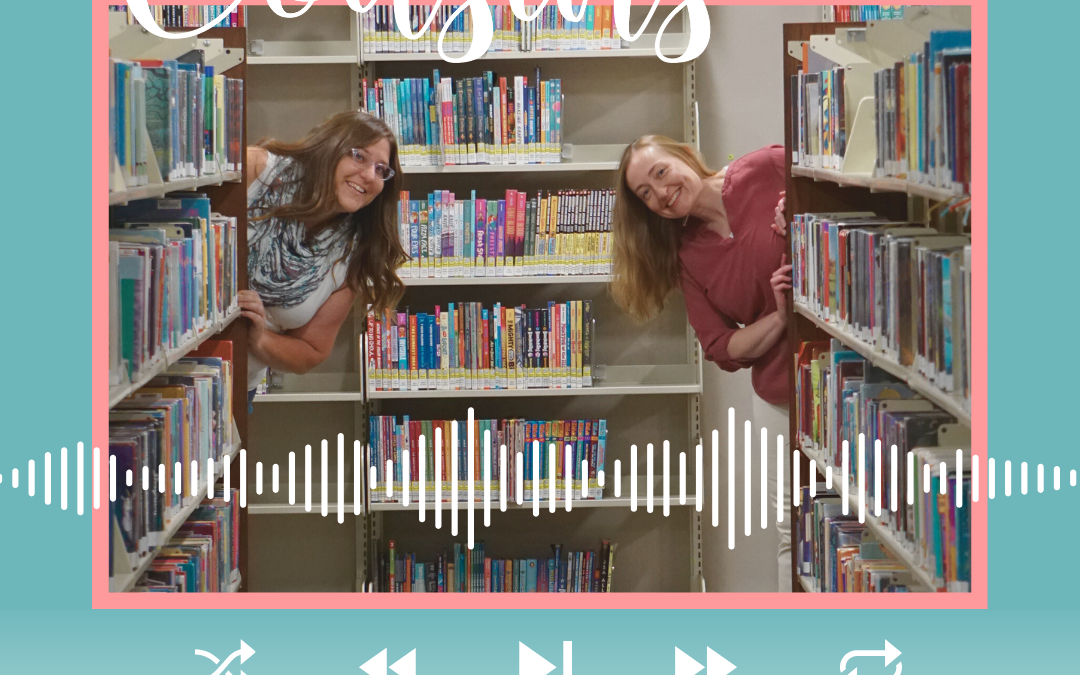
Nikki Boetger- Illustrator
Melissa LaShure – Author
About This Episide
How Authors and Illustrators Learn from Failure: Platform Building, Rejection & Creative Growth
Failure is not the end of your publishing journey. It might actually be the beginning.
In Episode 4 of the Publishing Cousins podcast, hosts Melissa LaShure and Nikki pull back the curtain on their own mistakes. They share what went wrong, what they learned, and how those hard lessons shaped the careers they have today.
This is the episode every aspiring author and illustrator needs to hear.
Why Failure Is Part of the Publishing Process
Nobody talks about failure enough in the publishing world. But the truth is — you cannot grow without it.
“You cannot become better at what you’re doing unless you have failures,” Nikki says. “That’s part of the learning process.”
Whether you’re a debut author or a seasoned illustrator, setbacks are not signs to quit. They’re signals to adjust.
Author Mistake #1: Launching a Book with No Platform
Melissa’s biggest early lesson? Launching a book before anyone knew who she was.
“People aren’t going to buy your book when they don’t know you at all,” she explains. “The sooner your website is up, the better.”
Even a simple holding page with your name and a short bio counts. The longer your site exists, the more Google recognizes it as legitimate.
Starting your author website early also gives you time to build:
- A newsletter list
- A social media following
- Search engine credibility
Not sure where to start? Melissa recommends the free author website course by Thomas Umstead Jr. at Author Media. He walks you through exactly what your site needs and how to structure it.
Illustrator Mistake #1: Wasting Time on the Wrong Medium
Nikki’s big early mistake was spending years exploring mediums instead of developing her natural style.
“I even went as far as sewing fabric pieces into illustrations,” she says. “Why? I hate sewing.”
After years of experimentation, her breakthrough advice is simple:
Sit down with a pencil and paper. Draw what flows naturally. That is your style.
Imposter syndrome makes this hard. When you walk through a bookstore and see polished illustrations on every shelf, it is easy to compare yourself. But the moment Nikki let go of that comparison, everything changed.
How to Handle Rejection in the Publishing Industry
Rejection is a constant in this business. Nikki says it plainly:
“If you cannot handle rejection or critique, you are not going to go very far.”
She’s seen hundreds of talented people give up after one bad experience. Here’s the reality:
- Illustrators send samples to 300+ publishers and may hear back from very few
- Authors should query multiple agents at once, not just one
- You are competing with creators from around the world
Nikki reframes rejection this way: if it wasn’t the right fit, it wasn’t a failure. It was a redirect.
Editorial Feedback Is Not an Attack — It’s a Tool
Getting notes back from an editor or art director can feel personal. It isn’t.
Editors and art directors know what sells. Their job is to make your work marketable. When they ask for changes, they’re trying to help your book reach more hands.
“Fix the things that are wrong because they’re trying to help you make it marketable,” Nikki explains.
Melissa adds that joining a critique group before working with a professional editor is a great way to build this skill. Starting small, with one chapter or one illustration, helps you get comfortable receiving feedback without feeling overwhelmed.
The Imposter Syndrome Every Author and Illustrator Faces
Both Melissa and Nikki admit they still struggle with imposter syndrome.
Melissa once stopped herself from answering reader questions at her own events because she didn’t feel like a “real” author.
“Even published authors pick up other books and think their writing isn’t good enough,” she says.
The lesson: everyone battles this. Even writers you admire.
Build Your Author Website — Even If Tech Scares You
One of the most practical takeaways from this episode is this: build your website today. Don’t wait.
Melissa tried WordPress first and found it overwhelming, even as someone tech-savvy. She eventually moved to Squarespace and found it far more manageable.
If websites intimidate you, Nikki has a solution:
- Hire a local marketing firm or web designer
- Reach out to graphic design or web design students at a local college
- Ask high school students who are learning design skills
You don’t have to do it yourself. You just need to have a web presence.
The Publishing Cousins’ Key Lesson: Fail Forward
The message of Episode 4 is simple: don’t run from failure. Learn from it.
“True failure is not getting back up again,” Melissa says.
Every rejection, every editorial note, every experiment that didn’t work — it’s all data. It’s all making you better.
Keep going. The world needs your books and your illustrations.
Related Episodes
Episode 12: How to Avoid Creative Burnout: Work-Life Balance Tips for Authors and Illustrators
Episode 12 How to Avoid Creative Burnout: Work-Life Balance Tips for Authors and IllustratorsIn Episode 12, Melissa and Nikki share their personal strategies for keeping the balance — from time blocking and batch working to building a community that keeps your...
Episode 11: How to Market Yourself as an Author or Illustrator
Author marketing made simple. Discover your color palette, craft a one-line pitch, and sell your books or illustrations with authentic confidence. Publishing Cousins Ep. 11.
Episode 10: How Authors and Illustrators Can Build a Website and Grow an Email Newsletter
Learn how authors and illustrators can build a website, grow an email newsletter, and use AI tools to market their books. Episode 10 of the Publishing Cousins podcast.
0 Comments